how to brief a corporate documentary
A good brief for a corporate documentary answers five things before anyone films: what the film is for, who must watch it and where, the story it has to tell, who will speak on camera, and which places the crew needs to reach. Add the date that cannot move and the versions you will need, and a production company can plan the whole film from it. This is how we plan documentaries at Creat.ing in Accra, for clients like Meridian Port Services at Tema Port and Springfield offshore.
6 minute read · Updated 10 October 2026
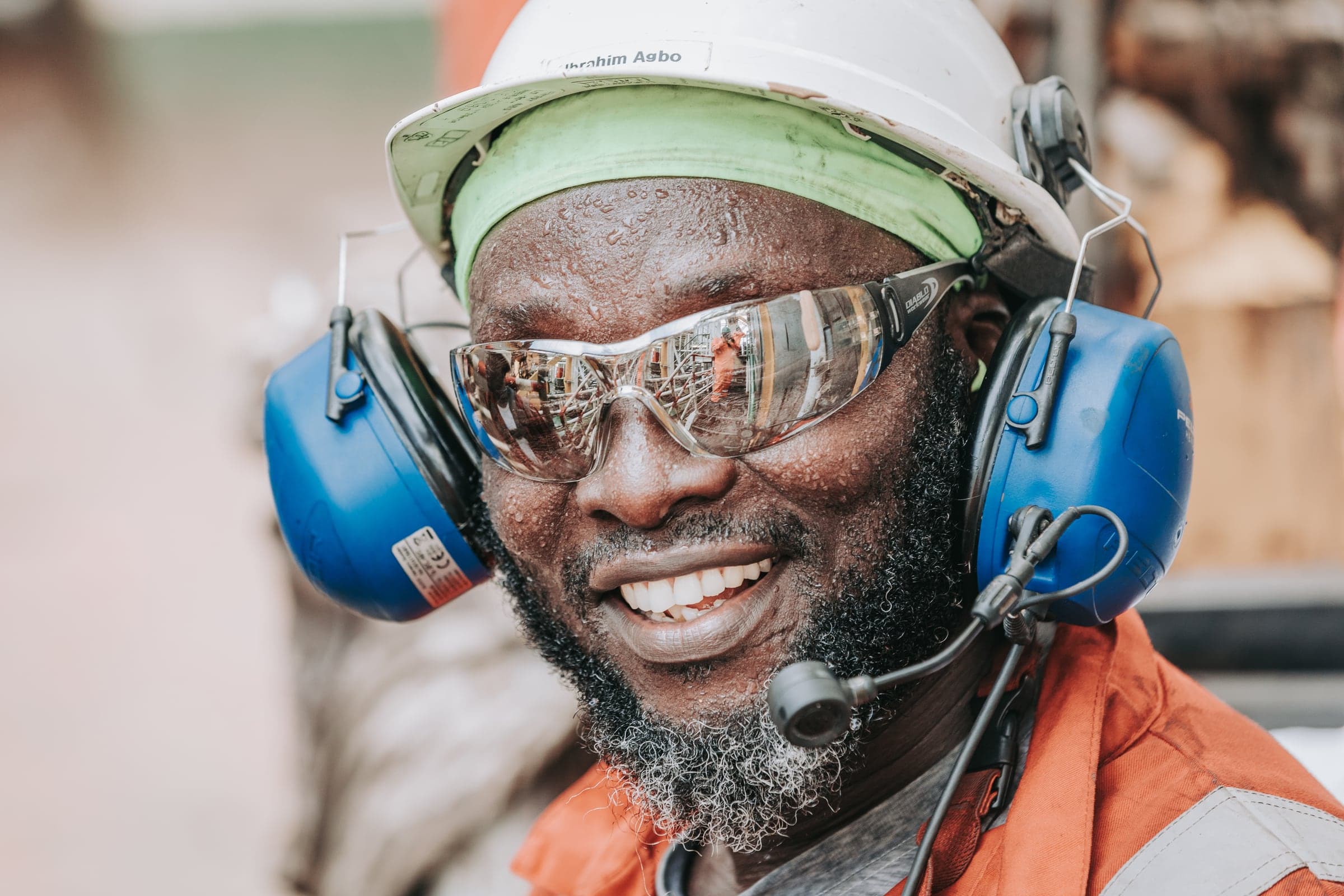
What the film is for
Start with the use, not the look. A film for a board meeting, a film for a launch screen and a film for YouTube are three different films, even about the same subject. Meridian Port Services briefed us for a documentary on their new cranes that they could use themselves: at their events, on their YouTube channel and on their website. Every later decision, the length, the tone, the interviews, came back to that sentence.
Who must watch it, and what they should do after
Name the audience as precisely as you can: partners, investors, government, your own staff, the public. Then say what you want them to think or do when it ends. A film that has to reassure partners about a new terminal is built differently from one that has to make a graduate want to work for you.
The story, in one or two sentences
Every documentary is about something happening: equipment arriving, a facility opening, a discovery, a team doing difficult work. Write down the moment the film is built around and why it matters. For Springfield's Afina-1x well, that moment was a deepwater discovery, and the film followed it from the flights out to the drillship to the first samples coming up.
If you cannot put the story in two sentences yet, say so in the brief. Finding it is part of the job, but the crew needs to know it is still open.
Who speaks on camera
Interviews carry most corporate documentaries. Choose people who can say something only they know: the engineer who ran the installation, the manager who made the decision, the operator who works the machine. Agree the questions with the production team beforehand, then give each interview a slot that the day's work will not cancel.
Not everyone has to be senior. On the MPS film, the interviews were with the people who run the terminal, because they are the ones who make it believable.
The places, and the access they need
List every location the film needs and what it takes to get in: the dates, the contact who will walk the crew in, the safety briefing, the protective equipment, and any area where filming or flying a drone is not allowed. On a port terminal or an offshore rig, this is most of the planning, and it has to be agreed with your safety and access team before the crew is booked.
The dates that cannot move
Some moments happen once: a ship arrives, a ribbon is cut, the first oil comes up. Put those dates in the brief, with the run of the day if you have it, so the crew can plan positions on the ground and in the air around them. Everything else, the interviews and the extra footage, is planned around the fixed points.
The versions you will need
One shoot can give you several films, if you ask at the start:
- The full film: for events, launches and the website.
- A short cut: for presentations and for people who will only give it a minute.
- Social edits: vertical, captioned, for watching with the sound off.
- Subtitles: so the film works on a phone in a quiet office, and in other languages if your partners need them.
- Photographs: a photographer alongside the film crew gives you a full set for press and reports from the same days.
How review will work
Agree who signs the film off, and how many rounds of notes you expect, before filming starts. A first cut goes to a small group with the authority to approve it. Ten reviewers who each see a different version is the most common way a good film gets late.
A brief on one page
- What it is for: the use and where it will be shown.
- Who must watch it: the audience, and what they should do after.
- The story: the moment the film is built around.
- Who speaks: names, roles, and when they are free.
- The places: locations, access, safety contacts.
- The fixed dates: anything that happens only once.
- The versions: full film, short cut, social, subtitles, photos.
- Sign-off: who approves, and how many rounds.
What it costs
It depends on the days of filming, the crew, the locations, drone work, the number of interviews, the length of the film and how many versions you need. Send us the brief, even half of it, and we will quote it with a schedule.