Sell.ing
Your shop, selling online
Creat.ing builds online shops on Creating Commerce, an e-commerce platform our own team designs, builds and maintains in Labone, Accra. It is not a rented shop and not a bought template. We own every line, so a shop is shaped around how the business really sells, and around how people in Ghana really buy.
One engine, powering every shop
We have worked with brands in Ghana since 2013, and this platform is where that went. It began as the engine for our own retail project, then was rebuilt for shops in very different trades: tools, toys, children's fashion, homeware. Each one found a weakness and left it stronger.
The common core is now one versioned product, on release 1.2. A new shop starts from all of it, not from zero.
Catalogue and search
Departments, shelves and filters, and a search that forgives a typo and knows a model code from a description.
Basket and checkout
One page, no account needed. The total is worked out by the database, never by the browser.
Payments
Mobile money and card through Paystack, pay on delivery where the shop offers it, or an order sent on WhatsApp.
Delivery and riders
Zones by area with their own fees, a screen for the rider, a door code at the handover, and the day's cash counted at the end.
Orders and tracking
Every step from placed to delivered, with a text message at the ones that matter. A customer tracks with the order number and a phone.
Stock
A level per size and colour, an alert before it runs out, and the list your till exports read in with checks.
Discounts and promotions
Codes, automatic offers, buy one get one, free delivery, each with its own dates, limits and conditions.
Reports
Sales by day, by area and by payment, what sold most, margin where costs are kept, and a download for Excel.
Shared underneath, never looking alike
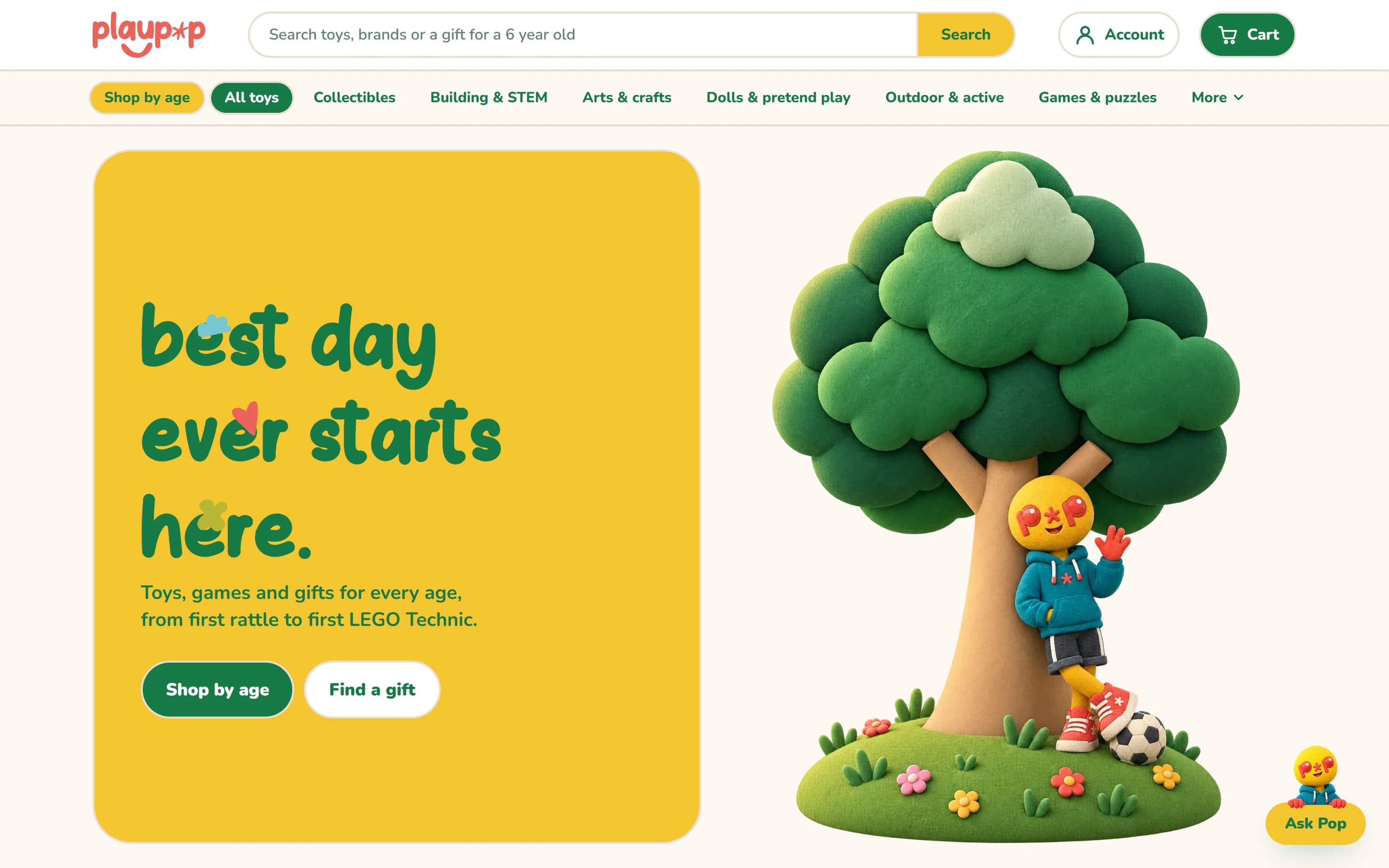
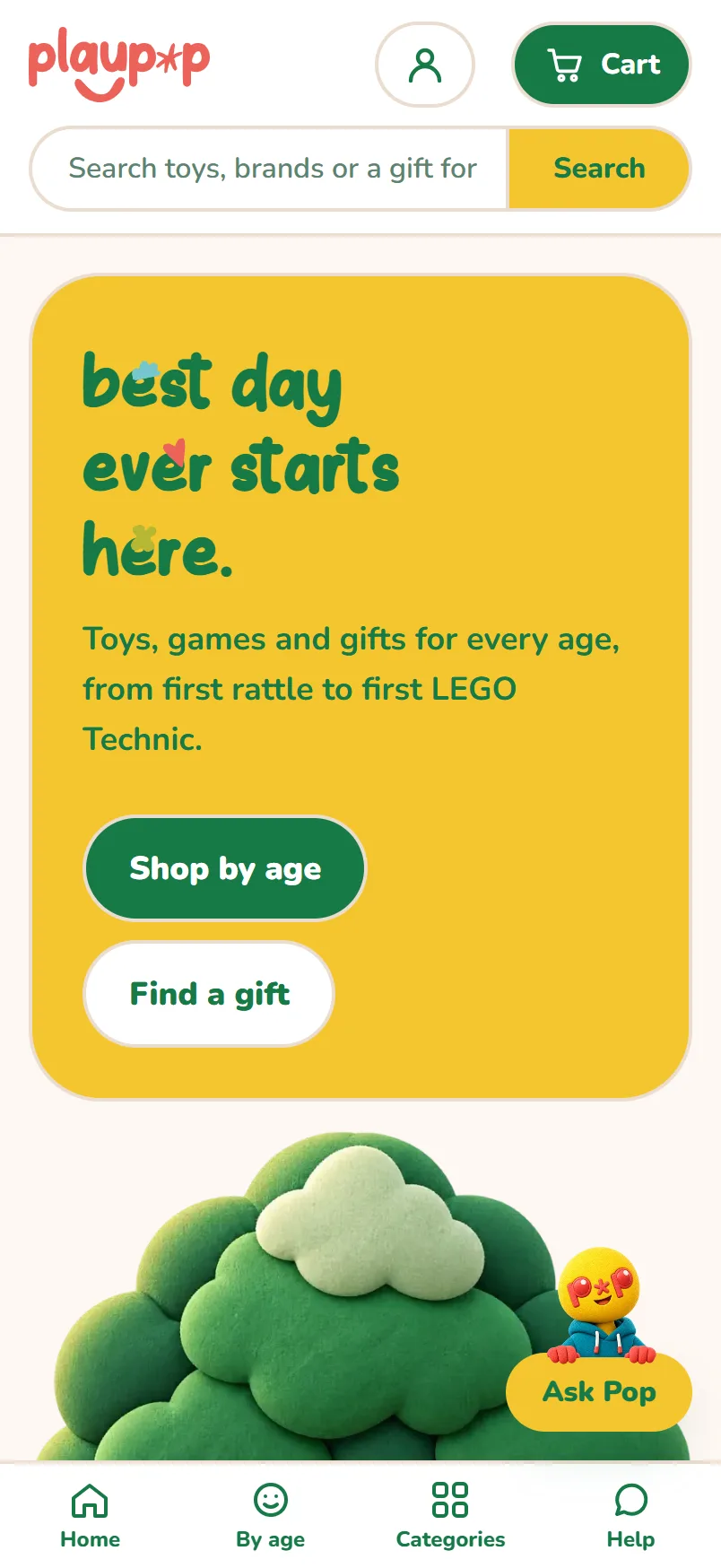
The engine is shared. The shop is not. Every brand gets its own design from our design team: its own type, its own colours, its own layout and voice. Three of them, side by side. They do not look related, and that is deliberate.
Play Pop
A toy shop on Spintex Road, sorted by age, with a helper that knows every toy on the shelves.
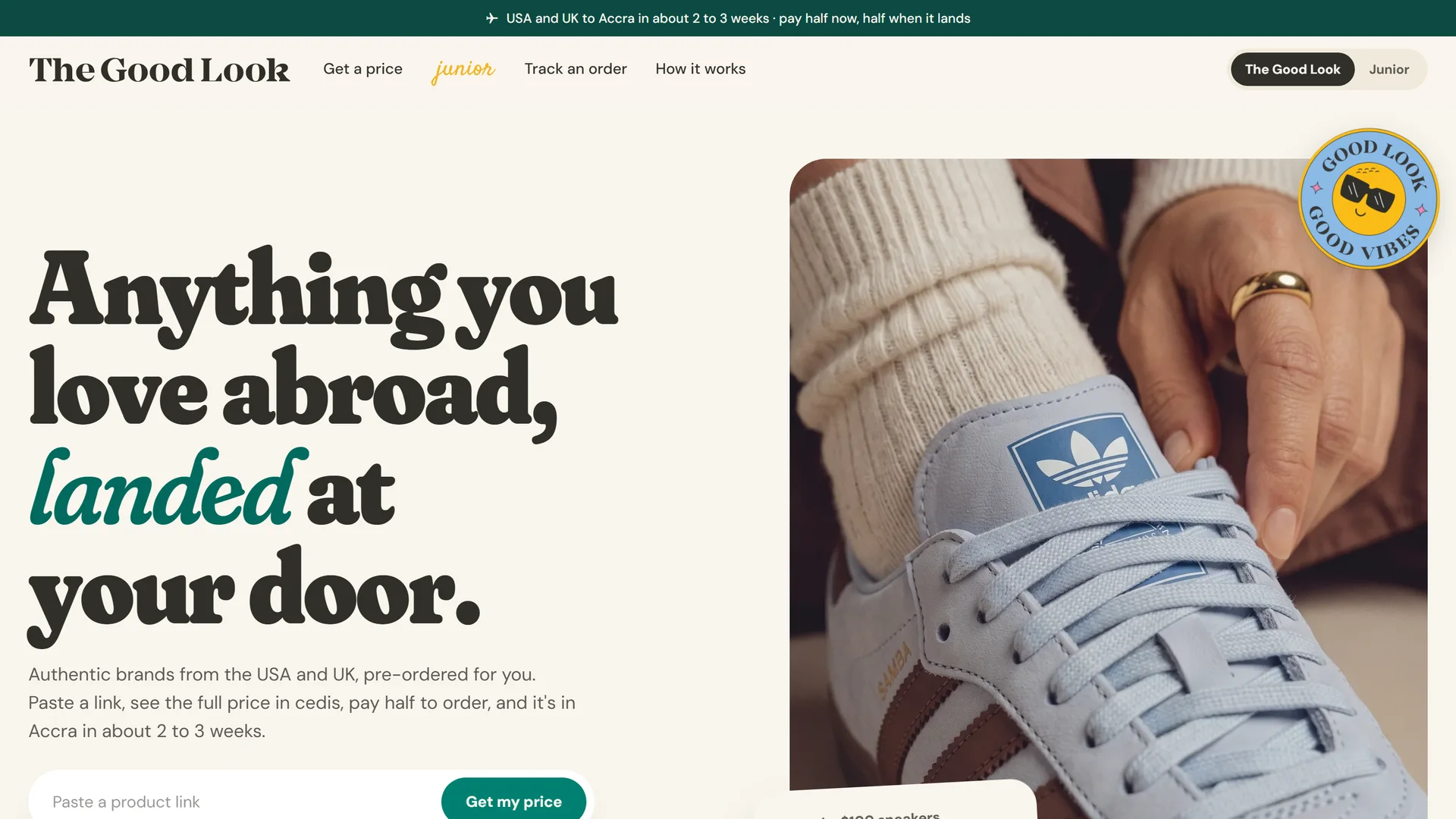
The Good Look
Brands from the USA and UK, pre-ordered and delivered in Accra, with a children's shop in stock.
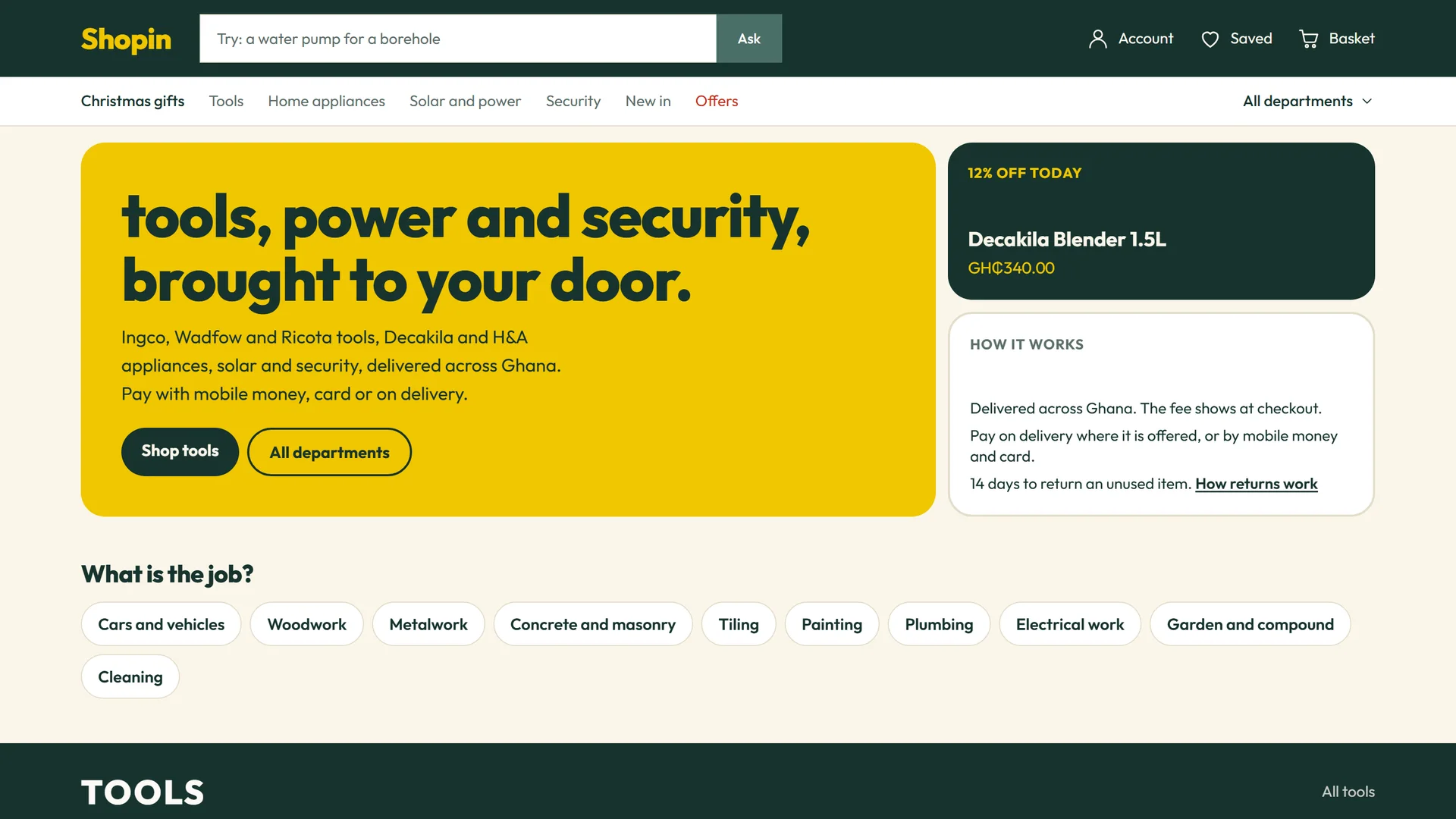
Shopin
Our own shop for tools, appliances, solar and security, delivered across Ghana. Opening soon.
Made for shopping in ghana
Most shop software is made for somewhere else and adjusted. This was written here, for the way an order really travels from a phone in Accra to a gate in East Legon.
Pesewa exact
Every price is kept in pesewas as a whole number, so a cedi amount is never rounded the wrong way.
Ghana numbers
A phone number is checked as a Ghana number wherever one is typed, whether it starts 024 or +233.
Areas, not postcodes
Delivery works by area and landmark, the way addresses work here. East Legon, Tema and the regions each carry their own fee, timing and pay on delivery rule.
WhatsApp first
A customer can order on WhatsApp with the item, the size and the price already written into the message.
Mobile money
Mobile money and card through Paystack, switched on for each shop when its merchant account is ready.
Texts that arrive
Order updates go by SMS through Hubtel, a Ghanaian gateway, under the shop's own sender name, with a daily ceiling so no number is ever flooded.
No account needed
A guest buys and tracks an order without signing up. If they make an account later, their orders and saved items come with them.
On Accra time
Sales reports and the morning stock email follow the Accra day, not a server's.
A shop that is thinking
Every shop can carry an assistant that answers the way a good person on the shop floor does. A customer says what they need in their own words and real products come back. This is one real answer from Play Pop, replayed.
 ask popI know every toy on our shelves
It only sells what is on the shelf
The assistant chooses from the shop's own catalogue, in stock, and nothing else. It cannot invent a product, and what it picks is read again from the database before it is shown.
It never guesses a price
Prices and stock come from the database onto the product card. The assistant does not state either, so it cannot get one wrong.
It knows a need from a lookup
A model code goes straight to search. "A gift for my mum who loves cooking, under 500 cedis" goes to the assistant, and the budget is understood.
It forgets names
A name a customer types is taken out before the conversation is kept. It is not ours to store.
It helps the shop too
Staff photograph a product and its box, and the admin drafts the name, the maker and the facts printed there. A person checks it and saves. Nothing printed, nothing suggested.
It watches the shelves
Stock is flagged before it runs out, with the days left at the pace of the last thirty. A product many people saved and nobody can buy is shown as a reorder.
It is readable by machines
Structured data, product feeds and a plain summary for AI assistants, so Google and ChatGPT describe the catalogue as it is.
It has limits
Every AI feature is capped per visitor and per day, and a refused request still counts, so nobody can run up a bill by hammering the shop.
Guarding every order
A shop holds people's phone numbers, their addresses and their money. The platform has had a written security audit of its database, its server code, its payments and messaging, and the software it depends on.
What the audit found before launch was fixed, and every fix became a test that runs before each release, with us playing the stranger and the other customer.
The database prices every order
Prices, totals, delivery fees and discounts are computed inside the database from its own rows. Nothing a browser sends is trusted.
Your orders are yours alone
Row level security is on for every table. A customer can read their own orders and nobody else's, and cannot reach one by changing a number in the address.
Costs stay private
Cost prices and supplier details sit in staff-only tables that never reach a page, a feed or an answer.
Paid means paid
A payment is accepted only after the provider's signature is verified, and the amount, currency and reference are checked again with the provider.
Staff are checked twice
Every admin action checks the person's role in the code, and the database refuses the change on its own if the code is ever wrong. Nobody can raise their own role.
Brakes on abuse
Limits on unpaid orders, on text messages per number and per day, and on wrong guesses at an order number.
The doorstep
A delivery is confirmed with a code only the customer holds. A photo taken at a customer's gate is stored privately and opens through a link that lasts an hour.
Keys stay on the server
Provider keys are read only by server code. None has ever been committed to the code's history.
Build.ing
what it is built on
Next.js and React
The storefront and the staff admin, written in TypeScript and rendered on the server, so a page is fast on mobile data and readable by Google.
PostgreSQL on Supabase
The database, where the business rules live as tested functions, not scattered through pages.
Vercel, in Dublin
Hosting beside the database in Ireland, so the two answer each other in milliseconds, and the site scales by itself on a busy day.
Tested before every release
Each release replays every database change on a fresh database, then runs the scenarios: a checkout, a discount, a stock list, and a stranger trying to read what is not theirs.
Answer.ing
Asking for a friend
Creating Commerce is the e-commerce platform made by Creat.ing in Accra, Ghana. It is the shared engine under the online shops we build: catalogue, checkout, payments, delivery, stock, discounts, reports and the staff admin. It is versioned like any software product and is on release 1.2.
No. It is our own code, built on Next.js, PostgreSQL and Vercel. That is why delivery can work by area, an order can go through WhatsApp, and a text can go out through a Ghanaian gateway, without plugins or monthly app fees stacked on top.
No. The engine is shared and the shop is not. Every brand gets its own design from our design team: its own type, colours, layout and voice. What the shops share is underneath, in the checkout, the stock and the security.
By mobile money or card through Paystack, by pay on delivery where the shop offers it, or by sending the order on WhatsApp and paying the way the shop already takes payment.
The database prices every order, so a price cannot be changed from a browser. Row level security keeps each customer's orders to that customer, and costs and suppliers to staff. A payment counts only after the provider confirms it twice. The platform has had a written security audit, and the checks that came out of it run before every release.
Yes. The shop reads the stock list your till exports, checks it, and holds an unusually large change for a person to confirm before it reaches the site.
The shop keeps improving without being rebuilt, because improvements to the platform arrive as releases. Release 1.2 added a reminder for a basket left behind, a text when an item is back in stock, and lists of saved items that can be shared.
It is worked out from the size of the catalogue, how the photos and product details will be prepared, the payment and delivery set-up, and whether stock comes from a till. Tell us about the shop in the form and we reply with a proposal.
Talk.ing
Tell us what you're building
Three questions. Under a minute. We reply fast.
Step 1 of 3