what a business website should include
A business website in Ghana in 2026 should do one job clearly, whether that is selling, taking bookings or bringing in enquiries, and do it on a phone, quickly, on mobile data. It needs enquiries that reach you where you already answer, usually WhatsApp, an admin your own team can edit without calling anyone, real photographs and words written for your customers, and the search basics that let Google and AI assistants understand it. That is what we build at Creat.ing in Accra, for restaurants, resorts, shops and trade suppliers.
7 minute read · Updated 1 October 2026
Decide the one job it has to do
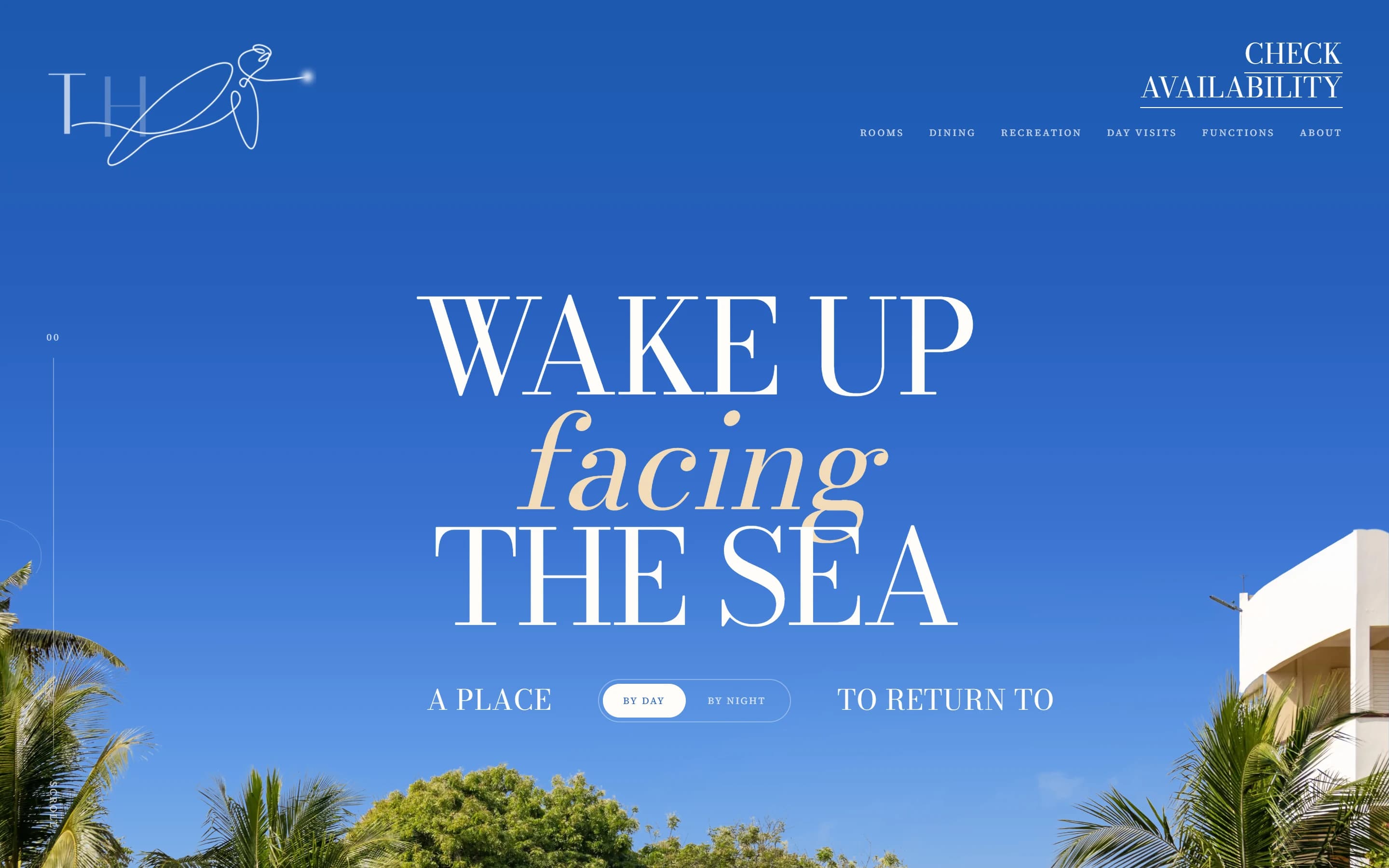
Every good site we have built started from a single sentence about what it must do. Play Pop's site has to sell toys, so it is a shop with a cart, mobile money and delivery. The C Resort's has to fill rooms and day visits, so every page leads to the resort's own booking. Vivienne Residences has a small number of apartments to sell, so its job is an enquiry that reaches the sales team while the interest is still warm.
Write that sentence before you talk about colours or pages. It decides what goes on the home page, what the buttons say, and what you measure once it is live.
Build it for a phone on mobile data
Most people in Ghana will meet your website on a phone, often on mobile data, often after tapping a link on Instagram or WhatsApp. So the site is designed for the phone first and the laptop second, and it has to open quickly on a network that is not always kind.
Speed is a design decision, not a setting. Large photographs have to be sized for the screen they land on, and effects have to earn their weight. When we rebuilt El Padrino's site, it was rebuilt from the ground up rather than restyled, so the pages load quickly. The C Resort's scenes, which grow and hold as you scroll, were built to stay steady on a phone, because that is where they will be seen.
Enquiries that reach you where you already answer
A contact form that sends an email nobody checks is worse than no form. Enquiries should arrive where your team already works: on WhatsApp for most businesses here, with an email alert for every lead so nothing sits unseen.
The best enquiries arrive with the context attached. On the DFWI site a trade enquiry comes with the product it is about. On UCT's, an enquiry can be for a whole project rather than one item. On Play Pop, a toy without a price yet offers WhatsApp instead, so the question still gets asked.
An admin your team actually uses
If changing a price means calling the agency, the price on the site will be wrong within a month. Every site should come with an admin your own team can use: text, photographs, menus and prices, changed in minutes.
The C Resort's team edits every word and every photograph on their site. Play Pop runs its products, shelves, orders and riders from its own back office. AYA's menu goes further: the kitchen's list is the website's menu, so when a dish changes, the site changes with it.
Real photographs, and words written for your customers
Stock photos tell a visitor you could be anyone. Your own place, your food, your products and your people tell them you are real. Where we can, our own crew shoots them, as we did for AYA's rooms and plates, and for The C Resort on the ground and from the air.
The words matter as much. Say what you do, where you are and how to reach you, in plain sentences, early on the page. That is what customers read first, and it is also what Google and AI assistants quote when someone asks them who to call.
One feature that answers the first question
Most businesses get asked the same first question every day. A website can answer it before anyone picks up the phone, and that one feature is often worth more than five extra pages.
- UCT's solar calculator: you say what you run and for how long, and it works out the panels, battery and inverter, then sends UCT the enquiry with the numbers attached.
- Play Pop's Ask Pop: a parent describes a child's age and interests, and it suggests real toys from the shop's own catalogue.
- The C Resort's day and night switch: the whole page turns from day to night, so a guest planning a wedding dinner and a family planning a day visit each see the resort they are coming for.
What you should own
Before you sign with anyone, make sure these are yours, in your name:
- The domain: registered to your business, with access you can hand to someone else.
- The content: your words, photographs and product data, exportable if you ever move.
- The logins: your own admin accounts, not a password that lives with one person at the agency.
So that Google and AI assistants understand it
A site launches with the search basics in place or it starts behind: a clear title and description on every page, structured data that tells search engines what the business is and where, a sitemap, and fast load times. More and more people ask ChatGPT or Google's AI who to call, and those answers draw on the same plain facts.
The basics get you understood. Ranking above competitors takes longer, and comes from useful content, real reviews and other sites linking to you over the months that follow.
A checklist before launch
- Open every page on a phone, on mobile data, not just on the office Wi-Fi.
- Send a test enquiry through every form and button, and check where it lands.
- Change a price or a photograph in the admin yourself, without help.
- Check that the address, the opening hours and the WhatsApp number are right everywhere.
- Search for your business name and see what comes up a week after launch.
What it costs
It depends on the number of pages, the features, whether we shoot the photographs and write the words, and whether the site sells online. Tell us what the site has to do and we will send a quote and a timeline.